A tongue-tie happens when the small piece of tissue under the tongue is too short, tight, or stiff. This can make it hard to move the tongue freely. In some cases, it may affect feeding, speech, or other mouth movements. A frenectomy is a treatment that loosens this tight tissue to help the tongue move more easily. It can be done using small surgical scissors or a CO2 laser. Both methods release the tight tissue, but they work in different ways and may cause different amounts of bleeding. Knowing the difference between a laser frenectomy and a traditional frenectomy can help you understand the treatment options and discuss which one may be right for the patient’s needs.
What Is a CO2 Laser Frenectomy?
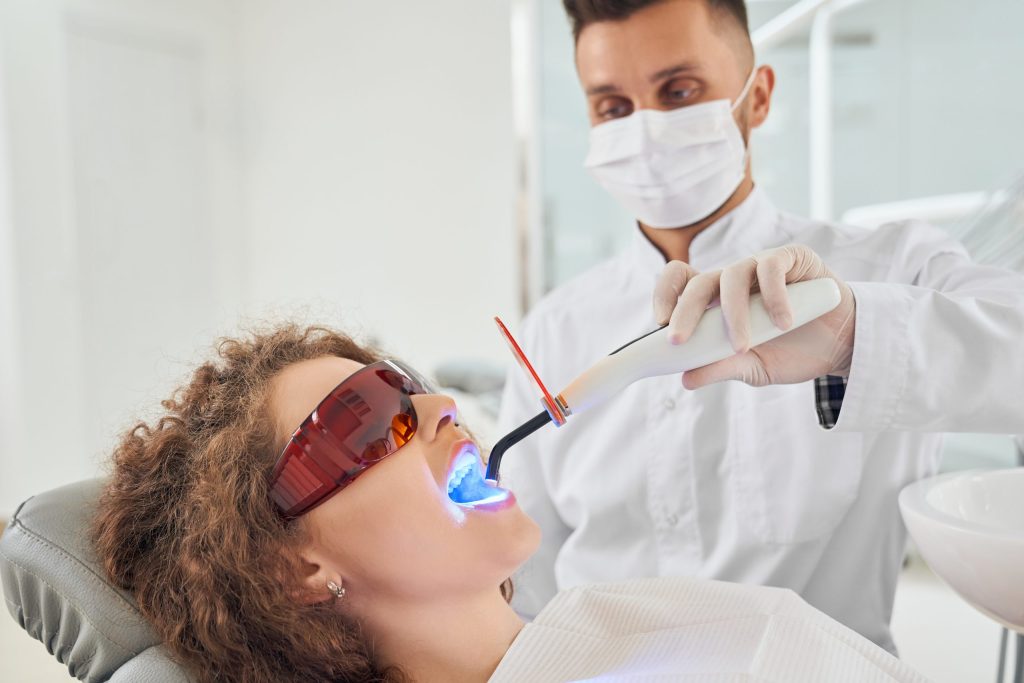
A CO2 laser frenectomy uses a focused beam of light to release the tight tissue connecting the underside of the tongue to the floor of the mouth. The laser removes or separates the tissue in a controlled way. It can also seal small blood vessels during treatment, which may reduce bleeding.
The procedure may be considered when a tongue-tie limits movement and causes concerns such as difficulty moving the tongue or feeding difficulties. However, not every tongue-tie needs treatment. An assessment helps determine whether the tight tissue is causing a functional problem and whether a frenectomy is likely to help.
How Does a Traditional Scissors Frenectomy Work?
A traditional frenectomy uses sterile surgical scissors or another cutting tool to release the tight tissue. The area is usually numbed before treatment to reduce discomfort. Once the tissue is released, pressure or stitches may be used if needed to control bleeding and support healing.
This method has been used for a long time and can work well when done by a trained dental or medical professional. The way it is done depends on the tissue’s thickness, location, the patient’s age, and treatment needs.
CO2 Laser vs Traditional Frenectomy: Key Differences
Both methods help loosen the tight tissue under the tongue, but they use different tools and may feel different during treatment.
1. How the tissue is released
- CO2 laser: Uses a strong beam of light to cut or remove the tight tissue.
- Scissors: Uses small, sharp scissors or a cutting tool to release the tight tissue.
2. Bleeding during treatment
- CO2 laser: Can seal small blood vessels while cutting, which may help reduce bleeding.
- Scissors: May cause more bleeding during treatment. The dentist in Ancaster can usually control it by applying pressure or, if needed, using stitches.
3. Need for stitches
- CO2 laser: Small treatment areas may not need stitches, but this depends on the size and depth of the release.
- Scissors: Stitches may be needed depending on the amount of tissue released and the bleeding.
4. Healing and discomfort
- CO2 laser: May cause less bleeding and swelling in some cases. However, some soreness is still normal while the area heals.
- Scissors: May cause bleeding, pain, and swelling while the treated area heals.
Neither method guarantees a faster or pain-free recovery. The outcome depends on the treatment area, the patient’s health, and proper aftercare.
What Are the Benefits of Laser Tongue-Tie Release?
The benefits of laser tongue-tie release may include:
- Less bleeding: The laser can seal small blood vessels during treatment.
- No stitches in some cases: Smaller releases may heal without stitches.
- Controlled tissue removal: The laser allows the treating professional to work on the tight tissue with care.
- A short treatment visit: The release itself may take only a short time, depending on the case.
These benefits do not mean that laser treatment is always better. A traditional frenectomy can
also provide effective release. The right choice depends on the patient’s condition, the provider’s training, and the expected results.
How Is the Right Treatment Method Chosen?
Before recommending a method, the dental professional checks how the tongue moves and whether the tight tissue affects daily function. For infants, feeding concerns may need to be assessed with support from a qualified feeding specialist. For older children and adults, tongue movement, speech concerns, and other symptoms may be reviewed.
When considering CO2 laser frenectomy in Ancaster, ask the provider:
- Is the tongue-tie making it hard to move the tongue, eat, or speak?
- Which treatment method is right for the patient’s age and needs?
- How much experience does the provider have with this treatment?
- Possible risks, healing time, and aftercare
- Whether exercises or follow-up care may be recommended
A dentist can explain the options and help determine whether a release is appropriate. A CO2 laser frenectomy near you may be an option when laser treatment is available and suitable for the case.
Recovery After a Frenectomy
Healing varies from person to person. Some soreness, swelling, or tenderness is common after either method. Follow the instructions provided by the treating professional.
Helpful ways to care for the area after treatment include:
- Eat soft foods while the area is sore.
- Keep your mouth clean by following the care instructions.
- Take pain medicine only if your provider recommends it.
- Do not touch, rub, or disturb the healing area.
- Go to follow-up visits at a dental clinic near you so the provider can check healing and tongue movement.
- In some cases, tongue exercises may be suggested. Only do them if a trained professional shows you how.
Contact your provider if bleeding does not stop, pain gets worse, or you notice signs of infection.
Explore the Right Approach to Better Tongue Movement!
Choosing between a laser and scissors depends on the tongue-tie, the patient’s needs, and the treating professional’s experience. Contact Golf Links Dental to arrange an assessment and discuss the available treatment options. Get clear information about the procedure, expected healing, and follow-up care before deciding on the next step.
FAQs
What is a CO2 laser frenectomy?
It is a treatment that uses a laser to release the tight tissue under the tongue. This helps the tongue move more freely.
How is a CO2 laser frenectomy different from a scissors frenectomy?
A laser uses light to release the tight tissue and may reduce bleeding. A scissors frenectomy uses small scissors or another tool to cut the tissue. Both methods can work, but bleeding, stitches, and healing time may differ between them.
Is a laser frenectomy less painful than a traditional frenectomy?
A laser may cause less bleeding and swelling in some cases, but discomfort may still occur. The area is usually numbed before treatment. Soreness may occur after either method.
How long does it take to recover after a CO2 laser frenectomy?
Some soreness is normal in the first few days and usually improves over time. Full healing may take longer. Recovery depends on the amount of tissue removed, the patient’s age, and aftercare. Follow the provider’s instructions and attend follow-up visits.